The new HydroCAT-EP V2 provides some useful upgrades and tools. learn how to use and process data from our latest multiparameter instrument.
Sea-Bird University Session Recording: The New HydroCAT-EP V2
read more

The new HydroCAT-EP V2 provides some useful upgrades and tools. learn how to use and process data from our latest multiparameter instrument.
Multiparameter instruments can help us better understand natural events. Learn more from our presentation to the Scripps Technical Forum.
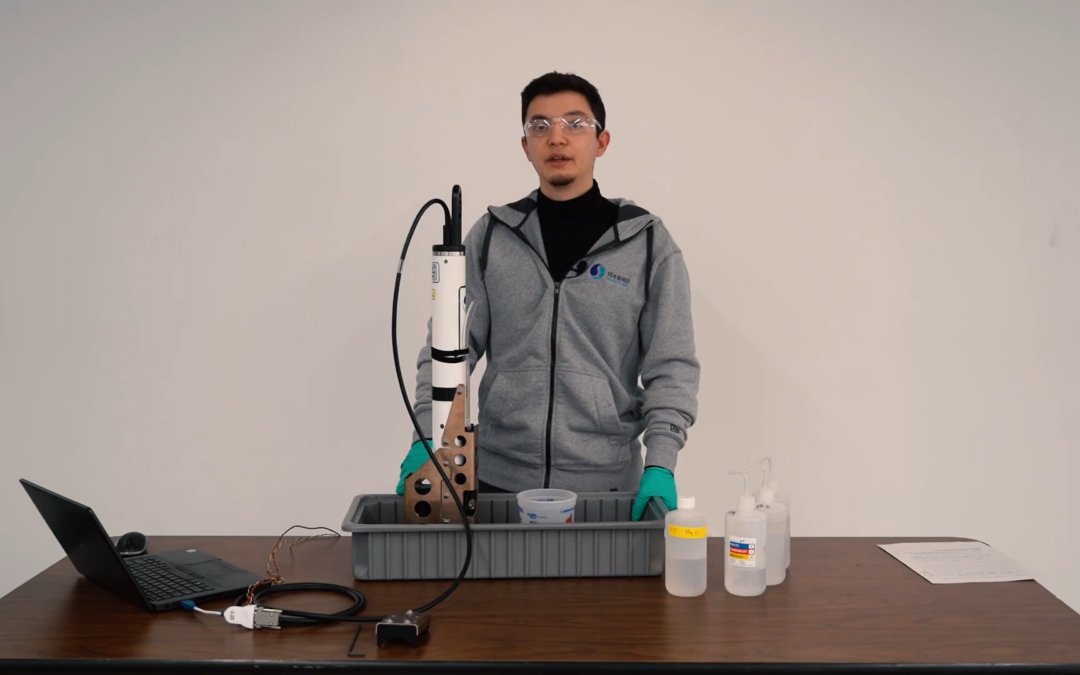
Grab some pH buffer solutions and follow Cody Littleton, our primary HydroCAT-EP Service Technician, as he walks you through how to calibrate this pH sensor.
Watch our latest Sea-Bird University session, to learn how to use, maintain, and process data from our latest multiparameter instrument, the HydroCAT-EP.
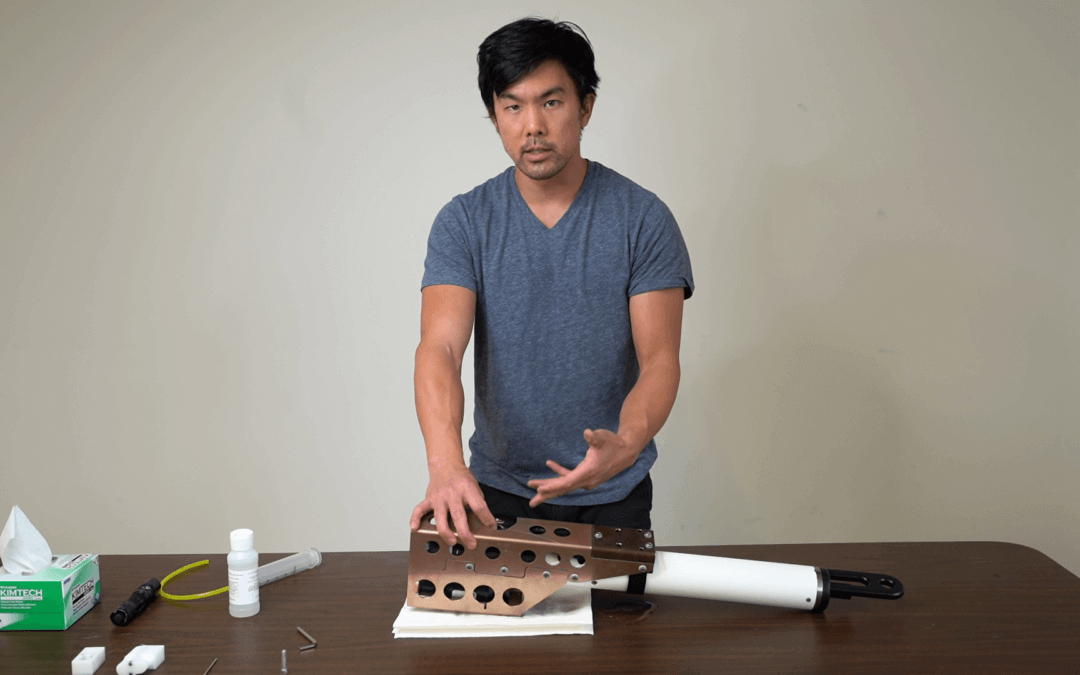
We’ve built new safety features around the HydroCAT-EP V2’s pH sensor. Watch Greg teach you how to properly flush and store your pH sensors to get the most out of your gear.
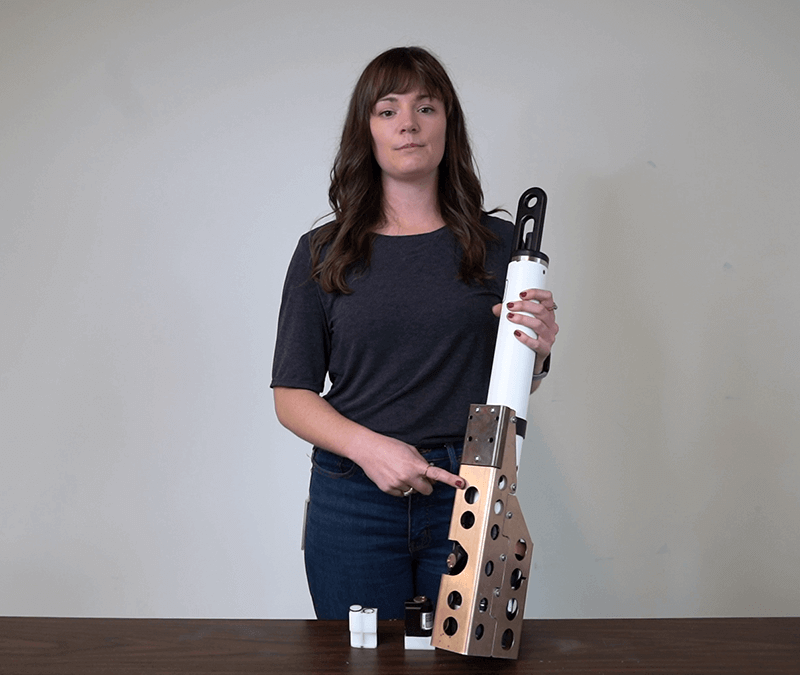
The HydroCAT-EP V2 is the next generation of multiparameter instruments. It measures CTD data alongside dissolved oxygen, pH, fluorescence, and turbidity, all within a single self-contained package. Learn about the new changes to this product.
Our dissolved oxygen sensors, the SBE 43 and SBE 63, are calibrated with tools and methods we learned from calibrating our world-class temperature and conductivity sensors. Get a look behind the scenes in our calibration lab.
The SUNA V2 is an ultraviolet spectrometer designed to measure nitrate in-situ. At Sea-Bird, we use a temperature-controlled bath and various solutions to characterize and calibrate the sensor’s output. Learn how we prepare SUNA V2s for seawater and freshwater deployments.
ISFET pH sensors, like the SeaFET V2 and SeapHOx V2, receive a factory calibration, and don’t require regular field maintenance. Learn how we’ve adapted our calibration facility to account for conditions these instruments meet in the wild.
Conceptually, inductive moorings seem complex – communicating with 100 instruments through a single cable doesn’t exactly sound intuitive. But, in practice, the setup is surprisingly simple. Watch our latest video to see how easy it is to test and simulate an inductive modem mooring.
Press Release FOR IMMEDIATE RELEASE Sea-Bird Scientific Announces New Distribution Agreement with TERAMARA (formerly DASCO Equipment Inc.) Bellevue, WA – August 1st, 2024 – Sea-Bird Scientific, a leading provider of oceanographic and environmental monitoring...
We hope to see you at our upcoming Scripps Technical Forum We invite members of the Scripps community to join us for an in-person Technical Forum and visit at the Scripps campus on October 16 + 17 in La Jolla, San Diego, CA, to showcase the latest in software...
We hope to see you at Ocean Optics Conference XXVI 2024 Please join us for our exhibition at the Ocean Optics Conference XXVI in Las Palmas De Gran Canaria, Spain, from October 6-11, 2024. Overview The Ocean Optics Conference attracts a diverse audience of active...